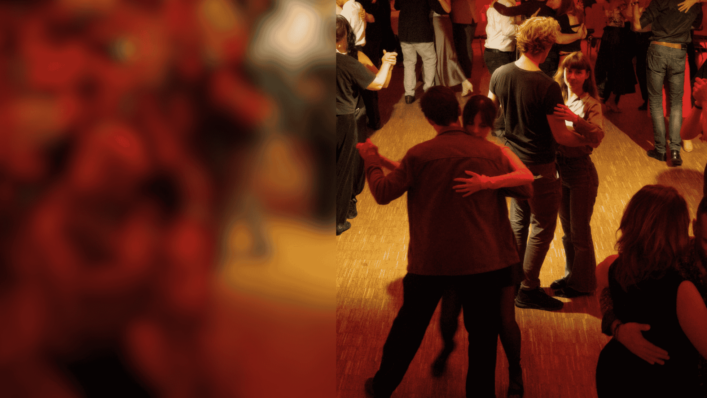
How Tango Young Changed the Tango Scene in Munich
When I moved to Munich in 2019 from Kraków, I had a little cultural shock.
Kraków has a tango scene that is young, sexy, loud, ambitious and full of personality. There are many performing teachers, hungry students, and a feeling that something is always happening. You go out, and you feel the buzz.
Munich was… different.
The scene was big in numbers, but it felt very settled. Everyone seemed to know their place. The milongas were good, the dancers were good — but the energy was conservative. Predictable. I missed the ferment. I missed the feeling that tango was still being invented.
And as a young dancer, teacher and newcomer to the city, I also missed something else:
my people.
I didn’t want to be just “another foreigner in Munich.” I wanted friends, community, and a place where I could belong — through tango.
Discovering Tango Young
Shortly after I started teaching in Munich, I discovered that Tango Young already existed in other European cities. It had started in Florence and was spreading to places like Paris, Vienna and beyond.
So I wrote to Alessandro and Giovanni, who were creators of the project, and asked if it made sense to start it in Munich. I was still small. Still new. But they said yes.
That was the moment when, for me, the tango scene in Munich began to change.
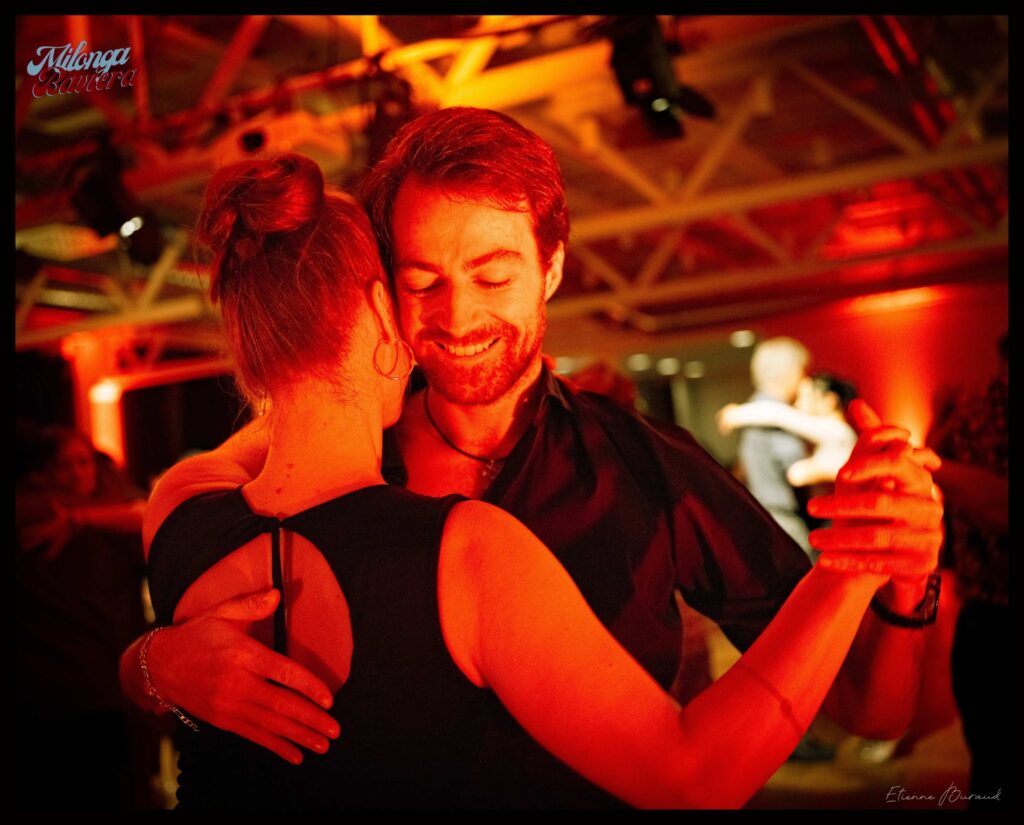
What Tango Young Munich really means
From the very beginning, Tango Young Munich was never about excluding anyone over 35.
It was about including people under 35 — who were almost invisible in the local tango scene.
The goal was simple:
Bring younger dancers into tango. Give them a place where they feel welcome. Let them grow inside the wider tango community instead of standing outside of it.
And it worked.
What changed
After Tango Young Munich started, things slowly began to move.
First, we launched PRKTK, a pop-up practica focused on real practice and personal development — something that didn’t really exist in Munich at the time.
Then a tango project appeared at LMU University, bringing tango directly to students and young people outside the usual tango circles.
After that, other schools began offering under-35 classes, clearly responding to the new younger audience that was starting to appear in the scene.
PRKTK later grew into Brezel Praktika, which became a stable weekly community format at FAT CAT in Gasteig — affordable, social, and built around learning and connection.
Only after that did we begin introducing student discounts at Milonga Baviera, opening it to a younger generation of dancers.
Today, more and more organisers offer student discounts. New projects keep appearing. New organisers bring their own ideas. The scene feels younger, more curious, and more alive.
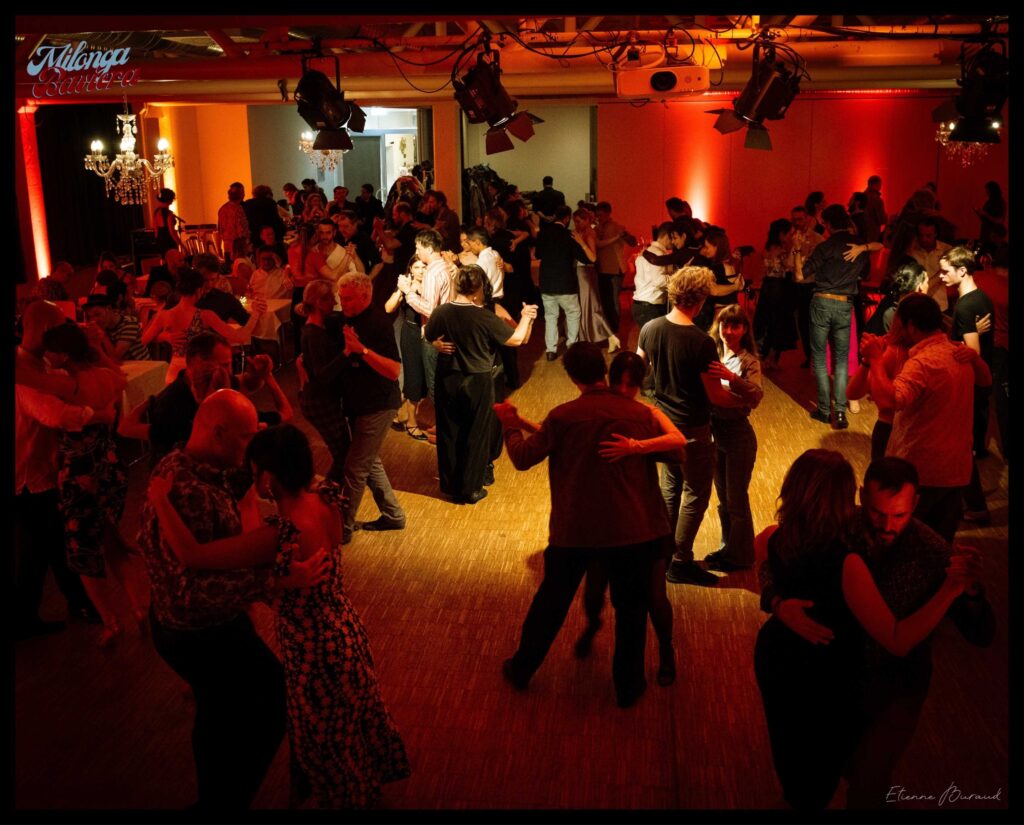
Munich’s tango scene today
Munich will probably never be Kraków — and that’s okay.
But it is no longer sleepy.
It’s a city full of initiatives, fresh formats, new organisers and a growing generation of dancers. And being a small part of that change — through Tango Young Munich and Tango Flow — is something I’m genuinely proud of.
Because tango is not meant to be a museum.
It’s meant to be alive.